

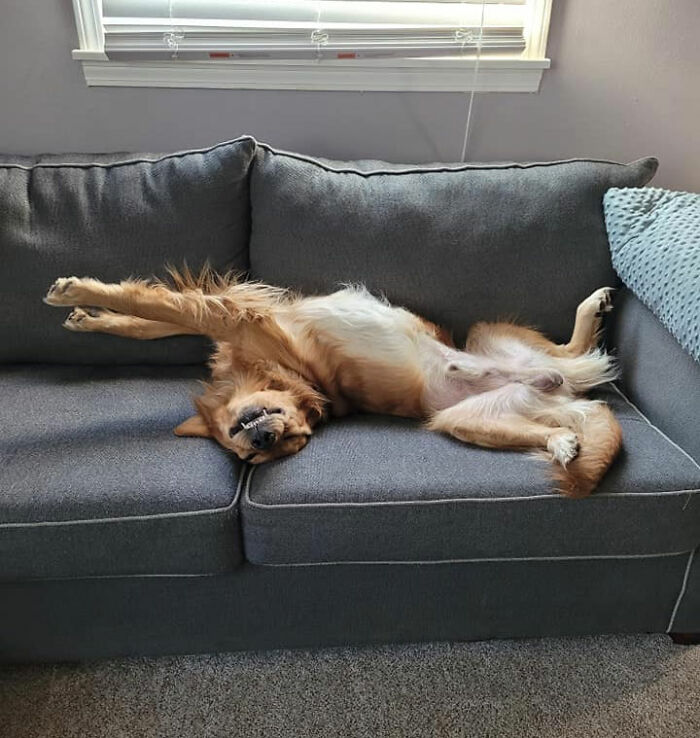
A tired dog is not automatically a fulfilled dog.
In fact, one of the biggest misconceptions in dog ownership—especially with working breeds and high-drive mixes—is that exercise alone creates calm behaviour.
It doesn’t.
You can run a dog for hours and still come home to chaos. Or you can work a dog for a fraction of that time in the right way and see a completely different animal in the house.
The difference isn’t exhaustion. It’s fulfilment.
Why “Tired” Doesn’t Equal “Calm”
Physical fatigue only targets one part of the system. High-drive dogs are not just physical animals—they are problem-solvers, hunters, searchers, thinkers.
When only the body is worked, the brain is still switched on.
That’s why you often see:
- Restless behaviour after long walks
- Increased reactivity when overstimulated
- Difficulty settling even after heavy exercise
- Attention-seeking or destructive behaviour indoors
A physically tired dog with an unfulfilled mind is still an active dog.
What Working Breeds Actually Need
Working breeds were developed for jobs, not leisure.
Their genetics are built around:
- Sustained focus
- Task completion
- Decision-making under pressure
- Repetition with purpose
So fulfilment comes from structured engagement, not just movement.
That means:
- Clear tasks, not random activity
- Controlled environments, not chaos
- Problem-solving, not overstimulation
- Direction from the handler, not self-led exercise
The Three Pillars of Fulfilment
If you strip it down, real fulfilment for a high-energy dog comes from three core pillars:
1. Mental Work
This is often the missing piece.
Mental engagement includes:
- Scent work and tracking games
- Obedience under distraction
- Structured learning sessions
- “Find it” and search-based exercises
These activities force the dog to slow down, think, and process.
A dog that thinks is a dog that begins to regulate itself.
2. Structured Physical Work
Not all exercise is equal.
A chaotic off-lead sprint session is very different from structured physical work such as:
- Heeling exercises
- Controlled recall patterns
- Weighted or purposeful walking (where appropriate)
- Movement with rules and boundaries
The key is that the dog is working with you, not just burning energy independently.
3. State Management (Learning to Switch Off)
This is the most overlooked skill of all.
Many high-drive dogs don’t naturally know how to settle. It has to be taught.
That includes:
- Place training
- Calm exposure to everyday environments
- Rewarding stillness, not just movement
- Building duration in relaxed states
A calm home doesn’t come from exhaustion—it comes from regulation.
The Common Mistake: Overdoing Chaos
When dogs are struggling, owners often do more:
- More walks
- More stimulation
- More dog parks
- More running
But this can actually increase arousal and reduce the ability to settle.
It’s not about doing more. It’s about doing better.
What We See in High-Drive Dogs
When structured correctly, high-energy dogs often change faster than expected.
We regularly see dogs that arrive:
- Overstimulated
- Reactive
- Unable to settle
…and within a short time, they begin to:
- Switch off indoors
- Engage more calmly on walks
- Respond to cues more reliably
- Show reduced frustration behaviours
Not because they’ve been worn out—but because their needs are finally being met in a structured way.
Calm Home Starts with Clarity
A calm home isn’t created by draining energy. It’s created by organising it.
When a dog understands:
- What is expected
- When to work
- When to rest
- How to access reward
…everything changes.
The chaos reduces because the uncertainty disappears.
Final Thoughts
If you have a high-energy working breed, the goal is not to “tire them out” every day.
The goal is to fulfil them.
That means combining:
- Mental engagement
- Structured physical work
- Clear state control
When those pieces come together, you don’t just get a tired dog.
You get a balanced one.
And that’s what creates a truly calm home.