

High-drive, intelligent dogs are not “too much.” They’re simply underutilized.
Breeds and mixes developed for work—whether herding, guarding, hunting, or pulling—come wired with purpose. When that purpose isn’t fulfilled, it doesn’t disappear. It leaks out into daily life in the form of frustration, reactivity, destructiveness, or what many owners describe as “chaos.”
But chaos isn’t the problem. Lack of structure is.
Why Structure Matters More Than Exercise
A common mistake is assuming that a tired dog is a well-behaved dog. While physical exercise is important, it’s rarely enough for dogs with high cognitive capacity and drive.
These dogs need:
- Clear expectations
- Consistent routines
- Mental engagement
- A defined role within their environment
Without those, they’ll create their own “job”—and it’s usually one you won’t like.
Structure gives them clarity. Clarity builds confidence. And confidence reduces unwanted behavior.
The Foundation: Control Before Freedom
Freedom isn’t the starting point—it’s the reward.
High-drive dogs thrive when they understand that access to what they want (movement, play, space, interaction) comes through calm, controlled behavior. This doesn’t mean harshness or rigidity—it means consistency.
Simple examples:
- Waiting calmly before going through doors
- Holding position before being released to eat
- Walking with intention instead of pulling or scanning
These aren’t just obedience drills. They’re daily opportunities to reinforce a mindset: look to the handler, stay engaged, earn access.
Give Them a Job (Even If It’s Not Traditional Work)
Not every owner needs a competition dog or a working farm—but every high-drive dog still needs purpose.
“Jobs” can include:
- Structured walks with obedience built in
- Scent work or search games
- Carrying a weighted pack (where appropriate)
- Place training during busy household activity
- Controlled play with rules and boundaries
The key is intention. Random activity doesn’t satisfy drive—directed activity does.
When a dog knows what’s expected and has an outlet for their energy, behavior begins to stabilize naturally.
The Role of Routine
Dogs find comfort in predictability. A structured daily routine reduces anxiety and prevents decision-making overload.
A solid routine might include:
- Morning training session or structured walk
- Defined rest periods (not constant stimulation)
- Midday engagement or enrichment
- Evening decompression and calm work
Rest is just as important as activity. Many high-drive dogs are not naturally good at switching off—this is a skill that must be taught.
Boundaries Create Freedom
It may seem counterintuitive, but the more clearly defined a dog’s boundaries are, the more relaxed they become.
When dogs understand:
- Where they can go
- What behaviors are acceptable
- How to access rewards
…they stop guessing. And when the guessing stops, so does much of the stress-driven behavior.
Structure isn’t restrictive—it’s clarifying.
Consistency Over Intensity
You don’t need marathon training sessions or complicated systems. What matters is consistency in the small moments:
- Following through on commands
- Not repeating cues endlessly
- Reinforcing calm behavior, not just correcting bad behavior
- Keeping rules the same every day
Inconsistent handling creates confusion. Consistent handling builds reliability.
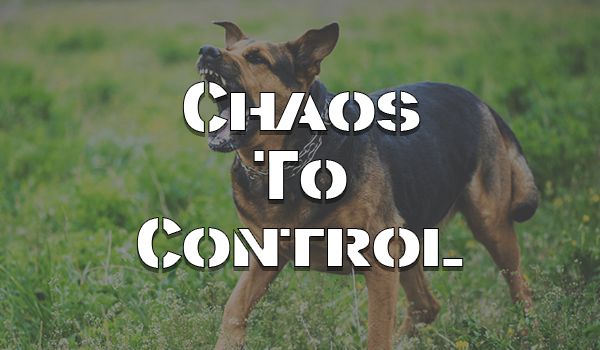
From Chaos to Control
The transformation doesn’t happen overnight. But with the right structure in place, even the most intense dogs begin to settle into a rhythm.
You’ll start to notice:
- Increased focus
- Better impulse control
- Reduced reactivity
- A calmer presence in the home
Most importantly, you’ll see a shift in mindset—from a dog that feels scattered and reactive to one that is engaged, purposeful, and balanced.
Final Thoughts
Strong, intelligent dogs don’t need less—they need more of the right things.
More clarity.
More direction.
More purpose.
When you provide structure, you’re not suppressing your dog’s nature—you’re finally giving it somewhere to go.
And that’s where control begins.